

Loot boxes are ruining video games — and only you can stop it
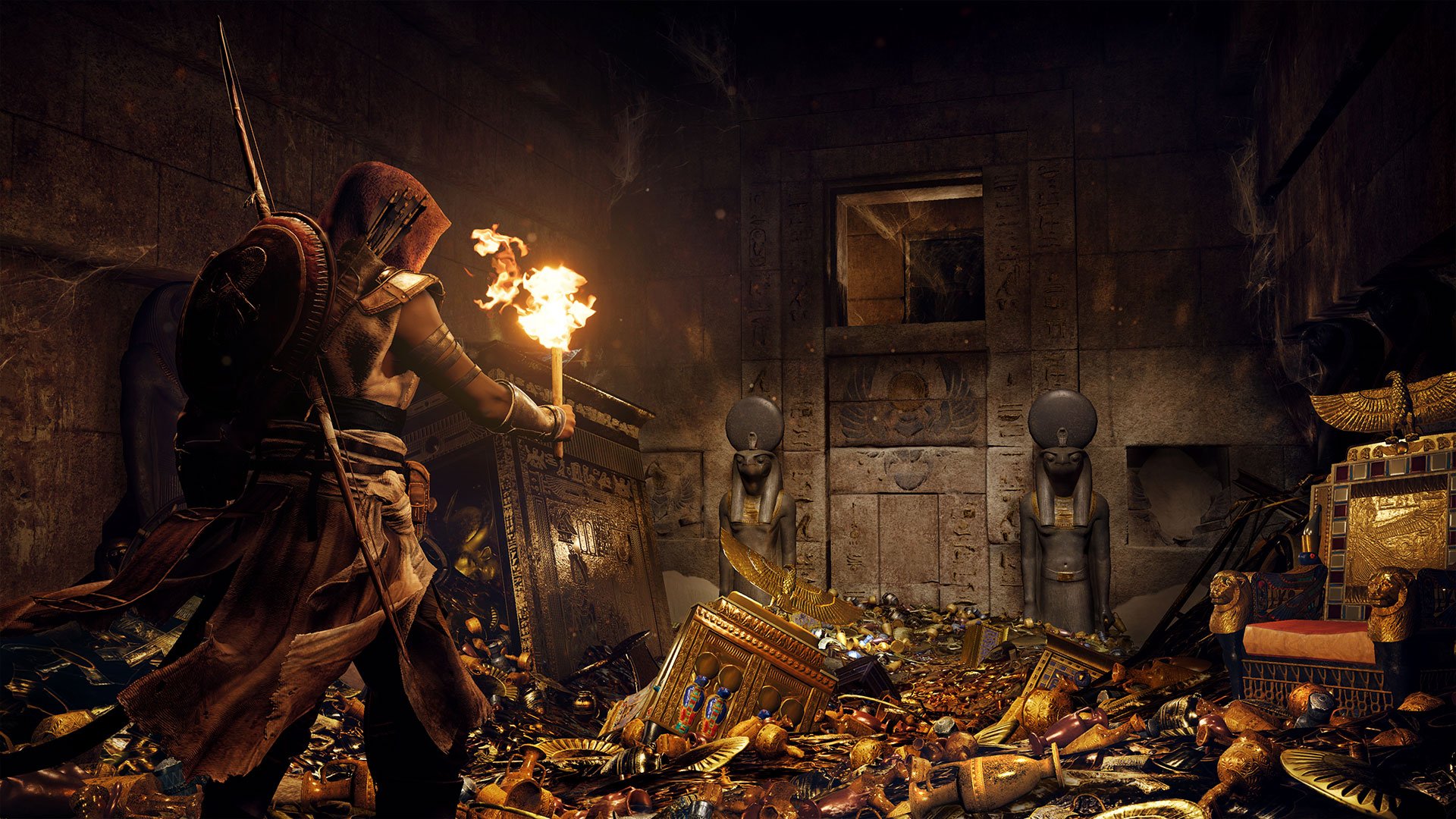
"Loot boxes" are, unfortunately, condign the norm in the gaming industry. This isn't a skilful thing. Gaming is a medium that has allowed me to spend thousands of hours in virtual worlds escaping existent life. While microtransactions have a place in free-to-play titles, game publishers are now attempting to blot as much money from consumers every bit possible with in-game gambling, a.thousand.a., "boodle crates."
Loot crates accept been around for some time, though mainly in free-to-play mobile games. With free games being released on PC, too, companies are no longer relying solely on optional cosmetics, but now loot crates (or gambling). The system works by using an in-game currency (or real money) to let players to unlock random crates, boxes or even chests that firm a option of randomized "boodle." Some you lot may already ain, others you may not. In instances similar Overwatch and League of Legends, the system is done rather well and just really contains cosmetic items. It as well supports the developer to coil out more content on a regular footing, but it doesn't negate the fact it'due south still gambling.
Yous used to be able to get to your local game shop, choice upwardly a physical copy of a chosen title, and fork out anywhere up to $60 (or your region'due south equivalent), and that would be it. Unlimited enjoyment for a cost most people comfortable paying. Over time, the digital age brought in new means to get games installed on a PC (or console), and publishers opted to include a whole manner of extras to brand more than money.
When done right — The Witcher iii, for case — downloadable content (DLC) tin can add countless more than hours of entertainment for fans of a game. When done incorrect, it's easy to experience cheated into parting with more cash to unlock parts of the game. Then y'all need to consider season passes (where you pay for content y'all cannot yet bask) and exclusive unlockables that crave a purchase from a specific retailer or for you lot to preorder. Already the gaming industry was tainted, but this was only the beginning.
Psychological warfare

Companies need to make money. Withal, it's how a visitor goes about making a return on investment that can heighten or break the trust between it and the consumer. I referenced The Witcher 3 and I shall rely on my CD Projekt RED case further. This Shine studio and publisher opted to release a full game and huge DLC packages. Not only that, but a bunch of free, additional content was released aslope the latest Witcher installment. That's proficient business, and it incentivizes customers to support the company by paying out for further content.
I gladly paid for all The Witcher 3 DLC and thoroughly enjoyed multiple playthroughs. The best function was it's optional. Zip was removed from the base game, nor was there a cliff-hanger that required a slice of DLC to consummate the story.

Loot crates are not only gambling merely can alter the design of a game.
Loot crates are a unlike story. If you seek a specific item you will fork out for countless crates and unlock each and every one in hopes you will be rewarded with that item. The need to unlock this item could slowly manifest into an habit, whereby you volition begin to require that feeling of unlocking something you lot can use. Things become even more concerning when publishers await to work in more simply cosmetics, but actual items that give an in-game advantage to those who pour greenbacks into the randomized number generation (RNG) organization. This is considered "pay-to-win," in which the more money you pay the stronger you go.

Loot crates can completely change the style a game plays. Forza Motorsport 7 altered the mode mods piece of work for cars, not to mention difficulty settings for races. Middle Earth: Shadow of War is another culprit, where more powerful Orcs are locked in crates and you need units like these to progress through the later game. Then you take the more recent Assassin'south Creed: Origins, and even Star Wars: Battlefront 2, where loot crates could have the potential to ruin a groovy game. EA promised to tweak the system ahead of release, just you cannot ignore just how far the industry seems to want to push in-game gambling.
Finally, you have Call of Duty: Earth War 2. This game not only allows you to unlock loot crates, but anybody in the game session tin see what you're unlocking as the crates themselves are dropped in from in a higher place. The game also rewards you by watching other people unlocking loot crates. While others are merely pushing the boundaries of what's acceptable in games, Activision has leaped over the wall of sanity. For instance, take a look at this patent the company filed. It's designed to gather every bit information on players to sell them pretty things in-game.
Putting aggressive loot crates in games volition force the consumer to leave low ratings on Metacritic. However, by pushing the organization into games at a slower charge per unit, information technology could be possible that these things become the norm in future games. That'due south not a practiced thing, especially given that randomized loot boxes aren't strictly pay-to-win because yous could be the richest player on this planet and still get stuck with terrible rolls of the dice.
Kid-friendly gambling
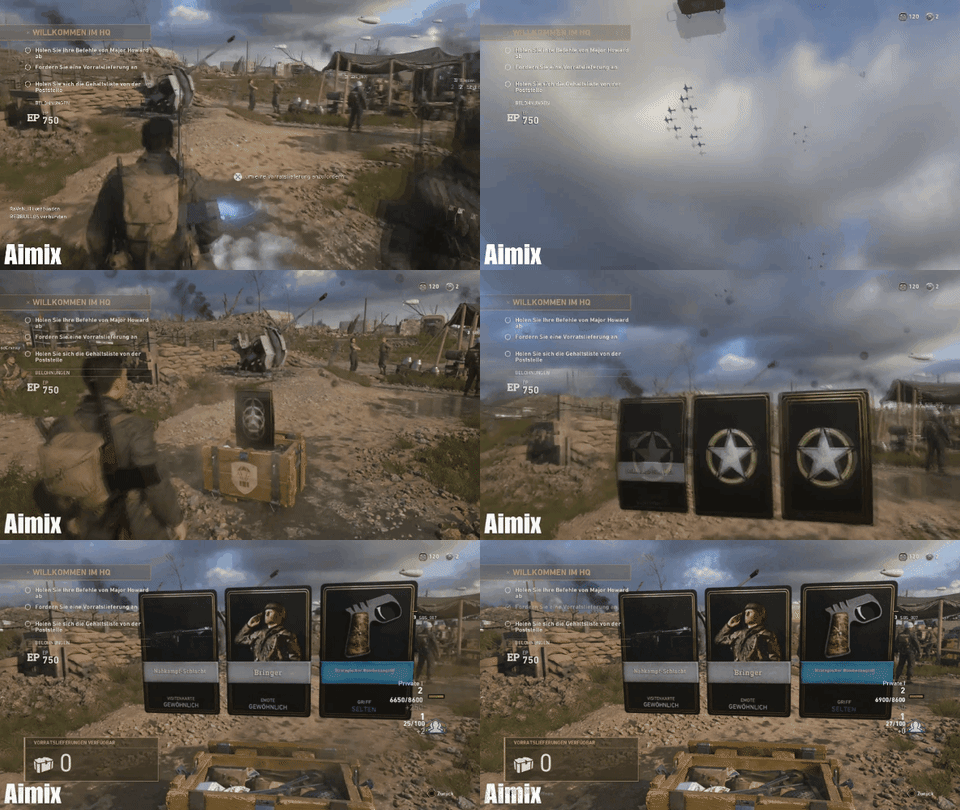 Call of Duty: WW2 loot crates.
Make no fault, loot creates are a form of gambling, they're just not yet classified as such by law — a United kingdom petition to take this altered is underway, though the British Government provided a rather vague response. The issue with gambling in games is the audience who buys and plays titles, which has a large chunk of young people, many under the historic period of the legal requirement to gamble at a casino. Past law, it's illegal for someone underage to adventure at a casino, but they can legally gamble in a video game, spending money to spin an RNG bicycle.
The issue with the gaming manufacture is the big companies are run past people who aren't gamers. An executive who doesn't enjoy games isn't going to care much near how this gambling system affects gameplay, nor would they necessarily have feedback from the customs seriously. The end goal is to brand as much from consumers as possible. This is where the supply and need issue comes into play, whereby gamers continue to spend coin on boodle crates and thus companies want to motility forward with this approach.
Now is the time to human action to get loot crates out of total-priced games.
It'southward encouraging to see kickback from the gaming community over boodle boxes and inappropriate micro-transactions in full-priced AAA games, but consumers continue to spend money on in-game purchases. There's demand for loot boxes and gambling in games today, so publishers take full reward of the trend. To make an constructive U-plow, nosotros demand to evidence these companies that nosotros don't desire loot boxes in full-priced games, past merely not spending money on crates.

Consumers need to band together and resist the direction publishers are taking, reducing need and subsequently the supply. Games will soon no longer be developed to entertain you but to make you spend coin on virtual slot machines. Think carefully about how y'all spend coin in-game because this could be the last take a chance you lot have at reversing the damage.
We may earn a commission for purchases using our links. Learn more.

Buyer's guide
These are the very best SSDs available for Windows PCs
We take a look at some of the very best solid-land drives (SSDs) you tin buy for your Windows x PC. Whether you desire the fastest PCIe 4.0 has to offer, or a bulldoze to relieve you money, we've got you covered with our top recommendations.

Source: https://www.windowscentral.com/loot-boxes-are-ruining-games-we-know-it
Posted by: lopezquithethand1960.blogspot.com
0 Response to "Loot boxes are ruining video games — and only you can stop it"
Post a Comment